
Keys to a Simple Skincare Routine
I have a confession. My old skincare routine, if you could call it that, consisted of washing my face with hand soap. How far we have come. If you are where I was, and need a simple skincare routine that works, keep reading.

Why is Skincare Important?
How do you sift through all the options?
It depends on your skin type, ingredients, price point, kind of discoloration, etc., but To keep it simple, I’ll stick with common skin types and ingredients.
1. Know your skin type:
This is the first step in choosing the right products for your face.
I have done skincare research, and CeraVe always has excellent information. If you want to dive into your skin type, I recommend this article.https://www.cerave.com/skin-smarts/skincare-tips-advice/what-skin-type-do-i-have, where I have taken much of what I discussed about skin types.
Dry Skin
- Your face feels dry, may look dull, flakes, or even appear scaley. Your skin may also feel itchy and irritated.
Oily Skin
- Your face feels greasy and shiny, especially throughout the T-Zone (forehead, nose, and chin). This usually happens pretty quickly after you wash your face. You feel like you have large pores and are prone to acne.
Combination Skin
- Parts of your face feel dry and other parts oily. Commonly the T-Zone is oily and other areas, such as the cheeks, are dehydrated.
Sensitive Skin
- Your face feels like it is burning and itchy. It may become inflamed quickly and have strong reactions to different external things.
Normal Skin
- Oh, to be normal. Normal skin is none of the above. It is balanced and happy.
The good news is that you CAN get normal skin with good skincare.
2. Know Your Ingredients
Let’s define them before we get into which to choose.
If you want to do further research, here is a great place to start and where I found many of the definitions below. https://www.cerave.com/ingredients-in-cerave.
Hyaluronic acid –
Hyaluronic acid is found naturally in the skin and acts as a humectant, meaning it can draw moisture into the skin; products with hyaluronic acid help trap moisture.
L-Ascorbic acid (Vitamin C)–
Vitamin C, especially the l-ascorbic acid form, is an antioxidant that reverses UV radiation damage and stimulates collagen production. Vitamin C is a fantastic brightening ingredient.
Retinol –
Retinol is a crucial ingredient to seek out in products for your nighttime routine. It works to turn over skin cells and stimulate collagen.
Niacinamide (Vitamin B3) –
This ingredient is excellent for controlling oil while hydrating the skin and evening out skin tone.
Ceramides –
Ceramides help form the natural skin barrier. They are the glue that holds our skin cells together to keep our skin barrier intact and healthy. A healthy skin barrier helps seal in moisture and seal out harmful elements.
Alpha hydroxy acids (AHAs):
A type of chemical exfoliant, AHAs loosen the bonds that hold skin cells together, which allows them to be easily swept away, revealing new skin cells underneath.
- Lactic acid: A type of alpha hydroxy acid (AHA; see above) derived from milk, fruit, or vegetable sources. Lactic acid is a commonly used chemical exfoliant.
- Glycolic acid: A type of alpha hydroxy acid (AHA; see above) derived from sugar cane. Glycolic acid is a commonly used chemical exfoliant. Glycolic acid helps gently exfoliate the skin to reveal a smoother, softer, clearer, and healthier-looking complexion.
Beta hydroxy acids (BHAs):
Another type of chemical exfoliant, BHAs also loosen the bond that holds skin cells together, allowing them to be easily swept away, revealing new skin cells underneath.
- Salicylic acid: A type of beta-hydroxy acid (BHA; see above) derived from willow bark. Salicylic acid is oil soluble, which allows it to penetrate deeper into your oily pores. It’s a popular type of chemical exfoliant in products that treat acne.
3. Time to Bring it all Together. What ingredients to look for based on your skin type?
Dry Skin
- Lactic Acid
- Shea Butter
- Hyaluronic Acid
- Ceramides
- Niacinamide
Sensitive Skin
- A patch test is always recommended for sensitive skin.
- Look for natural products such as Aloe vera
- Shea Butter
- Oatmeal
Oily Skin
Did you know that oily skin can be caused by dry skin? It may seem counterintuitive to add hydration to oily skin, but your skin may be oily because it is attempting to combat super dry skin. Once you show your skin that you will take care of hydrating it, it will stop overproducing oils.
- Hyaluronic Acid
- Niacinamide
- Ceramides
- Retinol
Combination Skin
- Salicylic Acid
- Hyaluronic Acid
- Niacinamide
- Ceramides
4. What products should your skincare routine consist of?
You can keep it simple or add extra steps based on your goals.
I have put in bold a base routine. *asterisks denote products that I consider extras to a base routine.
AM Routine
Cleanser – clean the sleep off that beautiful face.
Toner * – A toner is an essential step for you oily and acne-prone ladies. Toners come with different ingredients but are usually formulated with exfoliating acids (think glycolic acid and salicylic acid) that help exfoliate, unclog pores and remove extra oil and dead skin cells from your skin.
Serum* – use serums that include vitamin C, hyaluronic acid, antioxidants, and niacinamide (vitamin B), in the morning.
Moisturizer – You may want a lighter one in the morning and choose one that works well under your makeup.
SPF – you may be able to find a moisturizer with SPF. However, you get it on your face; get it on there!!
PM Routine
Cleanser – choose a moisturizing cleanser that won’t strip your skin.
Double cleanse* – get the makeup up first before using your primary cleanser.
Toner – Oily and acne-prone? If you skip the toner in the morning, use it at night.
Serum* – use serums that include retinol, glycolic acid, and hyaluronic acid at night.
Moisturizer – Think rich and super hydrating.
Eye Cream* – Some debate that eye cream isn’t needed, but using a product created for that super delicate eye skin can be helpful.
Facial Oils* – a facial oil usually contains plant extracts, essential oils, and super hydrating and nourishing ingredients.
Exfoliant – 2 to 3 times a week
5. My Current Skincare Routine and Favorite Products
AM ROUTINE
- Cleanse – CeraVe Acne Control Cleanser with Salicylic Acid
- Serum – Bye Bye Dullness 15% Vitamin C Concentrated Derma Serum
- Moisturizer with SPF – EltaMD UV Clear Broad-Spectrum SPF 46
PM ROUTINE
- Double Cleanse
- 1st cleanse- I use Simple Makeup Remover Wipes to remove makeup and do an initial cleanse
- 2nd cleanse – Seint Cleanser
- Toner – Seint Toner
- Serum – The Inkey List Retinol Anti-Aging Serum
- Moisturizer – Seint Creme
- Eye Cream – Ole Henriksen Banana Bright Eye Creme
- Exfoliant (2-3 times a week) – Seint Masque
- Another one I love that is a different type of exfoliant is Cure Aqua Gel.
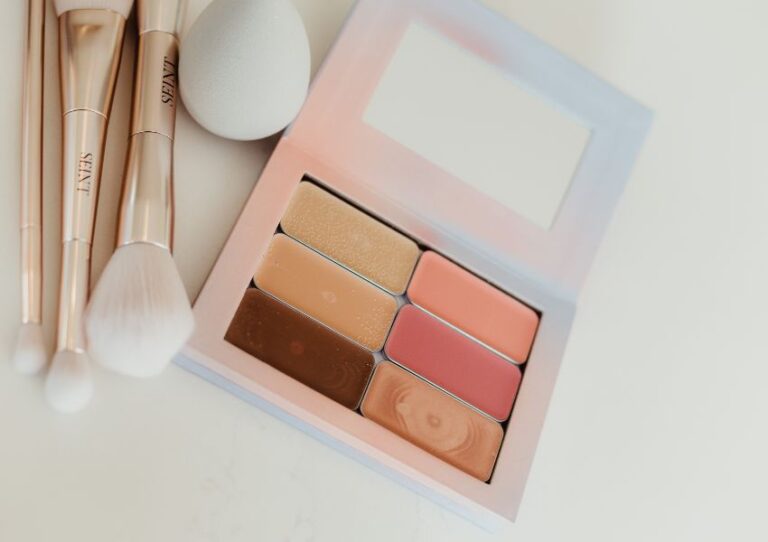
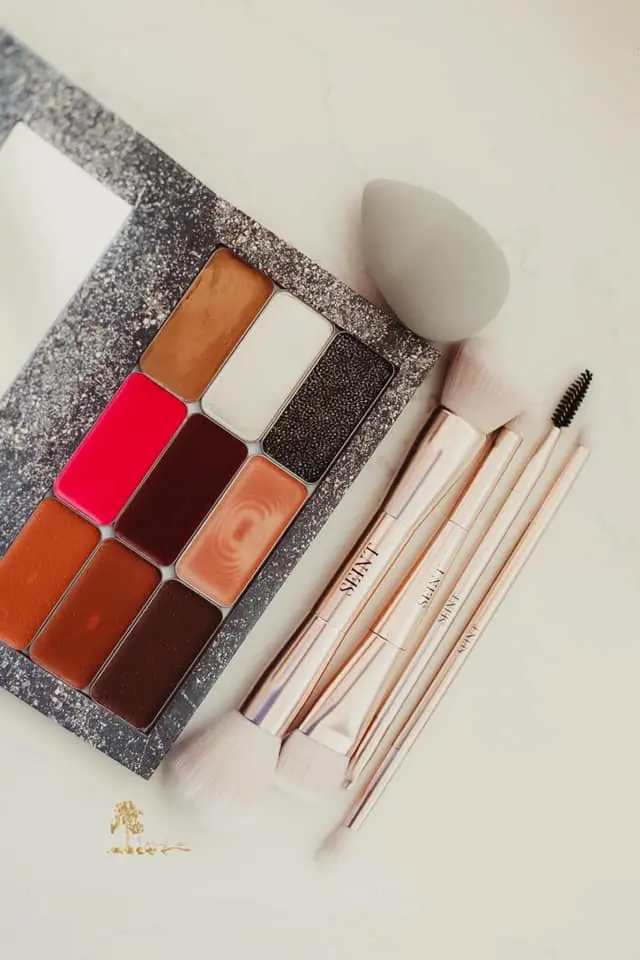
If you need a super simple skincare system, check out Seint products and Skincare Line. The products are super hydrating and do an amazing job balancing out problem areas on the road to “normal” skin. Learn more about the line here.


Amazing info! I also love the SEINT skincare line!
Thanks for the support ❤️